When you look at the side of a house or a fence that's turned black or green, you're usually looking at mold, algae, or both. Most people think pressure washing will blast it away, but that's only half the story. The real work happens before the water ever hits the surface. Soft wash chemicals do the heavy lifting by breaking down the cell structure of mold and algae, killing them at the root so they don't come right back in a few months. Understanding what these chemicals actually do will help you make smarter choices about your home's cleaning needs.
How Mold and Algae Actually Attach to Surfaces
Mold and algae aren't just sitting on top of your siding or concrete like dirt. They develop root systems called mycelium that dig into porous materials. In Spring's humid climate, these organisms thrive because we have moisture, heat, and shade all working in their favor. The black streaks you see on north-facing walls or under roof lines are colonies that have been anchoring themselves deeper into the material for weeks or months. Pressure washing alone will remove the visible growth, but it won't kill what's embedded below the surface. That's where chemistry comes in.
What Soft Wash Solutions Actually Kill
Soft wash chemicals are typically sodium hypochlorite, sodium percarbonate, or quaternary ammonium compounds. These aren't random picks. Sodium hypochlorite, for example, works by oxidizing the cell membranes of mold and algae spores. It penetrates the material and kills the organism from inside out, not just scrubbing away what you can see. Sodium percarbonate is gentler but still effective, especially on delicate surfaces like vinyl siding. It breaks down into hydrogen peroxide and soda ash, which kill algae and mold without the chlorine smell or bleach concerns some homeowners have.
The key difference from pressure washing is time. When we apply soft wash chemicals, they need contact time with the growth. We're not immediately blasting them off. Instead, the chemicals sit on the surface for fifteen to thirty minutes, working their way into the pores and killing the living organism. Then, a low-pressure rinse removes the dead growth and any chemical residue. This approach means the mold and algae actually die rather than just get knocked loose.
Why Pressure Alone Leaves Roots Behind
High-pressure washing creates a false sense of completion. Your driveway or fence looks clean for a few weeks, sometimes a few months. Then the black or green comes back, often in the exact same spots. This happens because the pressure stream only removes the visible colony. The mycelium network underground survives and regrows. In the humid Houston area, where we have regular rain and morning dew, algae and mold spores are always present in the air. They'll recolonize any surface that's clean but not treated.
Soft wash chemicals kill that root system. Once the organism is dead at the cellular level, regrowth takes much longer because new spores have to establish themselves from scratch rather than reactivate existing networks. This is why homes and businesses that use soft washing see cleaner results for longer periods.
Chemical Selection Matters for Different Surfaces
Not every soft wash solution works the same on every material. Vinyl siding requires a different approach than concrete or a cedar fence. Sodium hypochlorite is stronger and works well on concrete, pavers, and tile, where you want aggressive mold and algae elimination. But on vinyl or painted wood, it can cause discoloration or damage if not diluted properly. Sodium percarbonate is the safer choice for softer surfaces because it's less likely to bleach or degrade the material.
This is why it matters to hire someone who knows the difference. A one-size-fits-all chemical approach might save money upfront but can damage your property. We assess what's growing on your specific surfaces and choose the chemistry that will kill the organism effectively without harming the material underneath.
The Importance of Proper Dilution and Application
Soft wash chemicals are potent, and more is not better. Over-concentration can damage surfaces, harm landscaping, and create runoff issues that affect your yard or your neighbors'. The right dilution ratio depends on the chemical type, the surface, the severity of growth, and local water conditions. Spring's water is relatively hard, which affects how certain chemicals perform.
Proper application also means protecting areas you don't want treated. Landscaping, cars, and outdoor furniture need to be moved or covered. Gutters and downspouts should be considered because runoff goes somewhere. A professional soft wash service handles these details so you don't end up with dead shrubs or bleached car paint.
How Long Results Actually Last
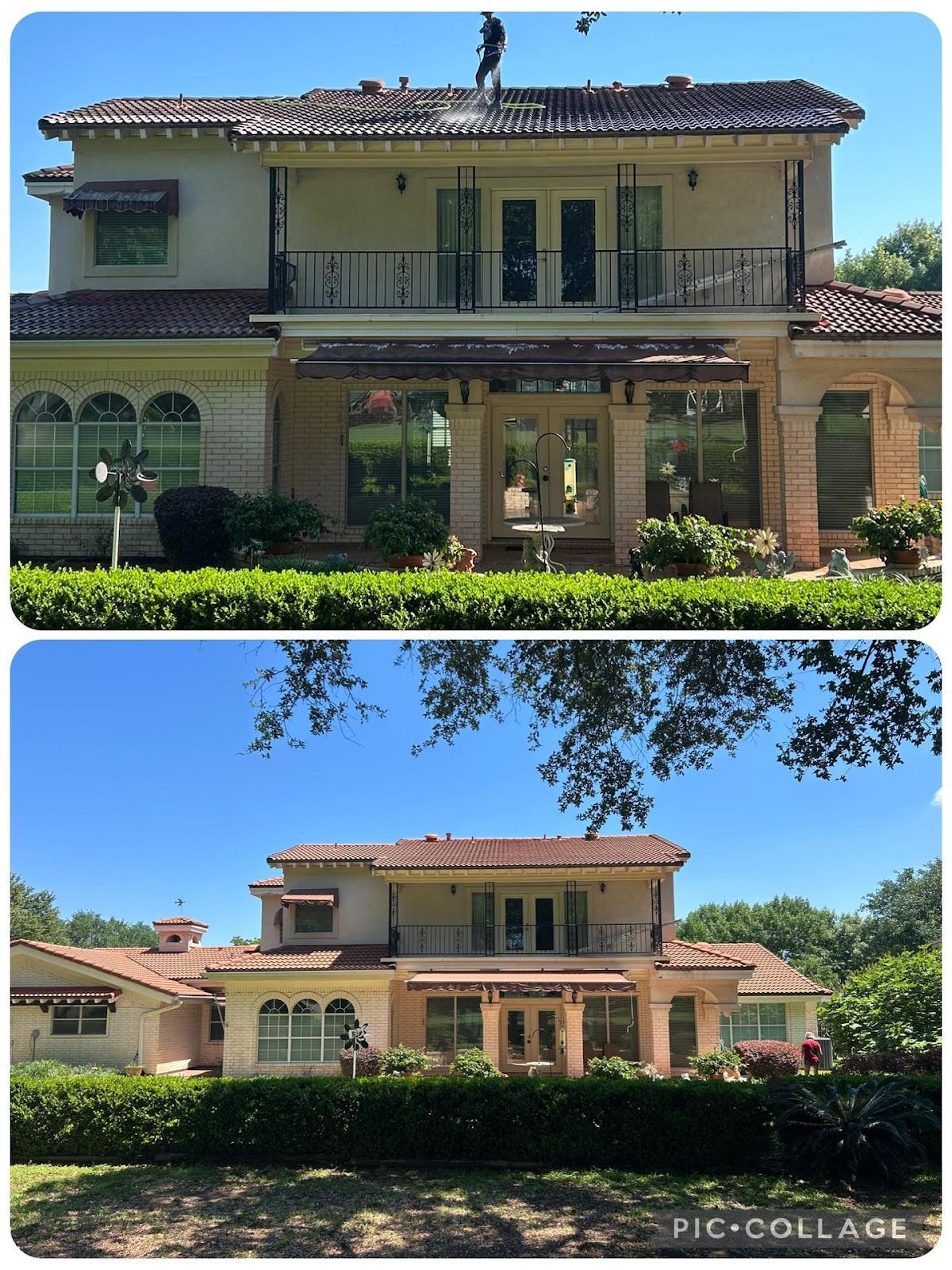
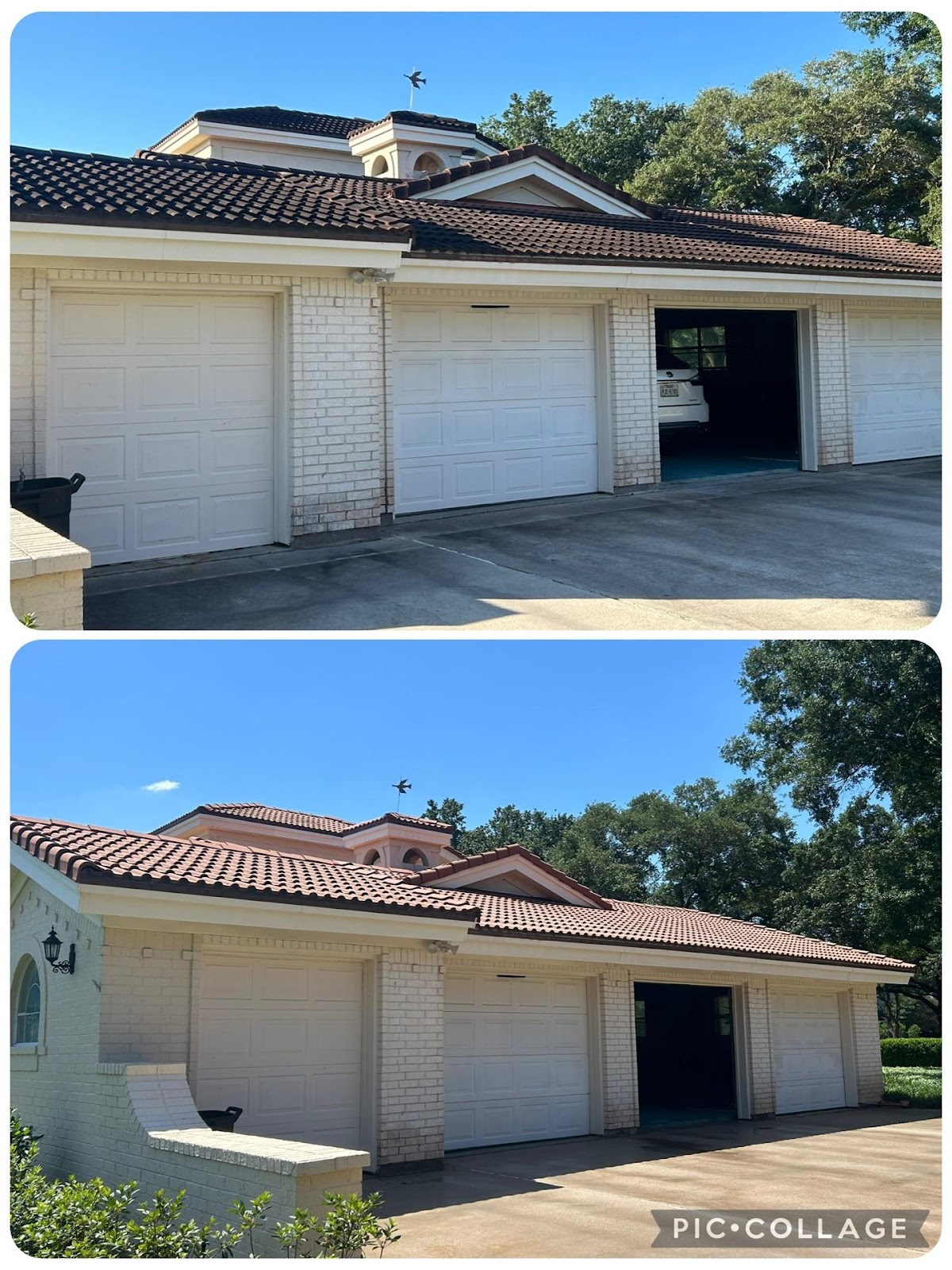
After a proper soft wash treatment, you can expect your surfaces to stay clean for six months to a year, depending on conditions. North-facing areas that stay damp and shaded will see regrowth sooner than sunny, well-drained spots. The difference between soft wash and pressure washing alone is measurable. Pressure-washed surfaces often show regrowth in two to three months. Soft-washed surfaces give you significantly longer intervals between cleanings.
If you're dealing with mold or algae growth on your home or business in Spring, call JR4U Pressure Washing. We'll evaluate what you're dealing with and recommend the right approach, whether that's soft washing, pressure washing, or a combination of both.