Pressure washing your driveway isn't something you need to do constantly, but letting it go too long will cost you money in repairs. Spring's heat and humidity create the perfect conditions for algae, mold, and dirt to build up fast. The right cleaning schedule keeps your driveway looking decent and prevents the kind of damage that turns a $300 cleaning into a $3,000 concrete replacement down the road.
Houston Area Climate Makes Driveways Dirty Faster
Spring sits right in the heart of Southeast Texas, where we get humidity year-round and regular rain that doesn't always dry clean. That moisture sits on your concrete and asphalt and feeds mold and algae growth. We also get intense sun that bakes in stains and speeds up oxidation on asphalt. If you live near a wooded area or have trees hanging over your driveway, you're dealing with leaf debris and organic matter that traps moisture even longer. This isn't like living in Arizona where the sun just bakes everything dry. Here, you need a real plan.
The Standard Timeline for Most Spring Homeowners
For most driveways in Spring, you should pressure wash every 12 to 18 months. That's the sweet spot where you're catching buildup before it becomes permanent damage without overdoing it. If your driveway is in decent shape and you're not seeing visible mold or stains, once a year is fine. If you've got a lot of tree cover, you park on the street, or you notice dark streaks and green patches showing up, bump it to every 12 months or even every 9 months.
Some people think they need to clean every spring. That's overkill for most situations. What matters more is what you're actually seeing on the concrete or asphalt, not just the calendar.
Watch for These Signs It's Time to Clean
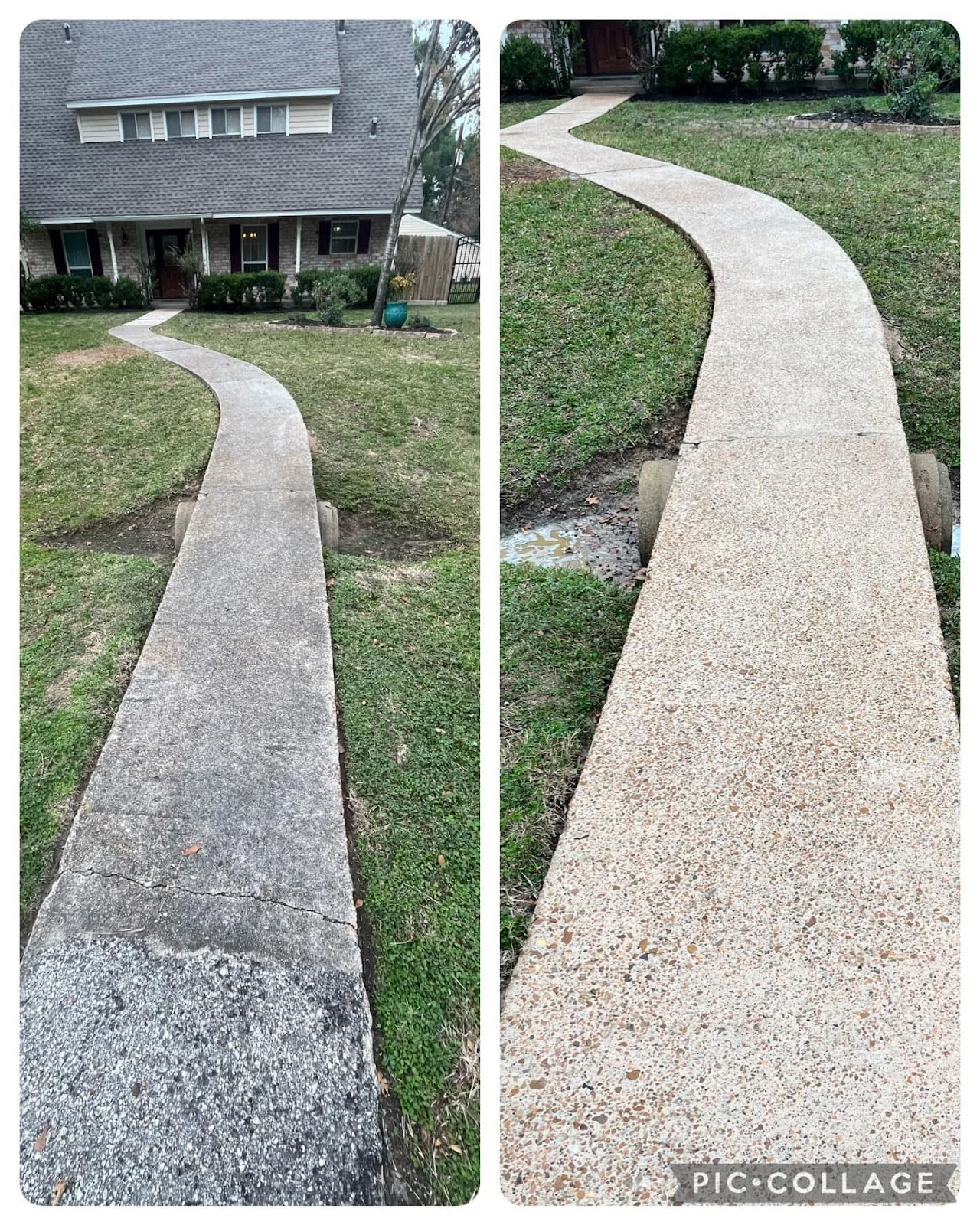
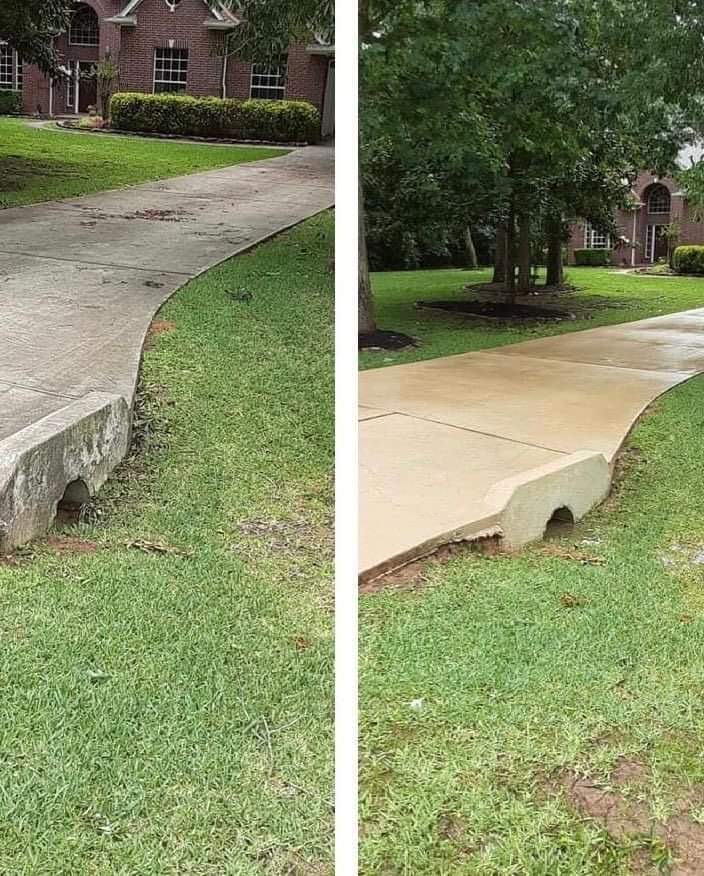
Don't just guess. Walk out and look at your driveway. If you see dark streaks running down the surface, that's mold or algae. If there are green or black patches, especially in shaded areas, that's definitely time to call. Light gray or white chalky residue on asphalt means oxidation is taking over. Stains from oil, rust, or tree sap don't disappear on their own either.
For asphalt, pay attention to the color. Fresh asphalt is nearly black. If yours is turning gray or brown, cleaning helps, but you're also seeing natural wear. That's normal, but cleaning does slow it down. Cracks are a separate issue. Pressure washing won't fix cracks. You need sealant for that. But cleaning first lets you actually see where the damage is so you can address it properly.
Concrete Versus Asphalt Cleaning Frequency
Concrete and asphalt have different needs. Concrete is porous and holds onto stains longer, but it's also harder to damage with pressure. You can be more aggressive with concrete without worrying about surface erosion. Asphalt is softer and more vulnerable to high-pressure damage, especially in our Texas heat where it gets softer in summer. If you have asphalt, you want someone who knows what they're doing with pressure settings. Too much pressure and you'll strip the seal coat or create ruts.
Concrete shows stains more obviously, so people often want it cleaned more often. But the actual dirt and mold growth rate is similar between the two. The difference is what bothers you more visually.
What Happens If You Wait Too Long
If you ignore your driveway for three or four years, stains become permanent. Mold and algae penetrate the surface. In concrete, that organic growth can actually break down the material over time. On asphalt, it accelerates deterioration. Spring's moisture means this happens faster here than in drier climates. You'll end up needing resurfacing or replacement instead of a routine cleaning.
Also, algae and mold are slipping hazards. If you've got kids, elderly family members, or guests visiting, a dirty driveway becomes a safety issue, not just a cosmetic one.
How to Make Your Driveway Last Longer Between Cleanings
After you get your driveway cleaned, a sealant makes a real difference. For concrete, a concrete sealer fills the pores and makes stains harder to set in. For asphalt, seal coating protects against UV damage and water penetration. You'll need to reapply seal coating every two to three years, but it's cheaper than pressure washing more often and extends the life of the asphalt significantly.
Keep gutters clean so water doesn't pool and create constant wet spots. Trim branches hanging over the driveway. Park in the garage when you can to reduce staining and sun exposure. These small things add up.
Getting the Right Help in Spring
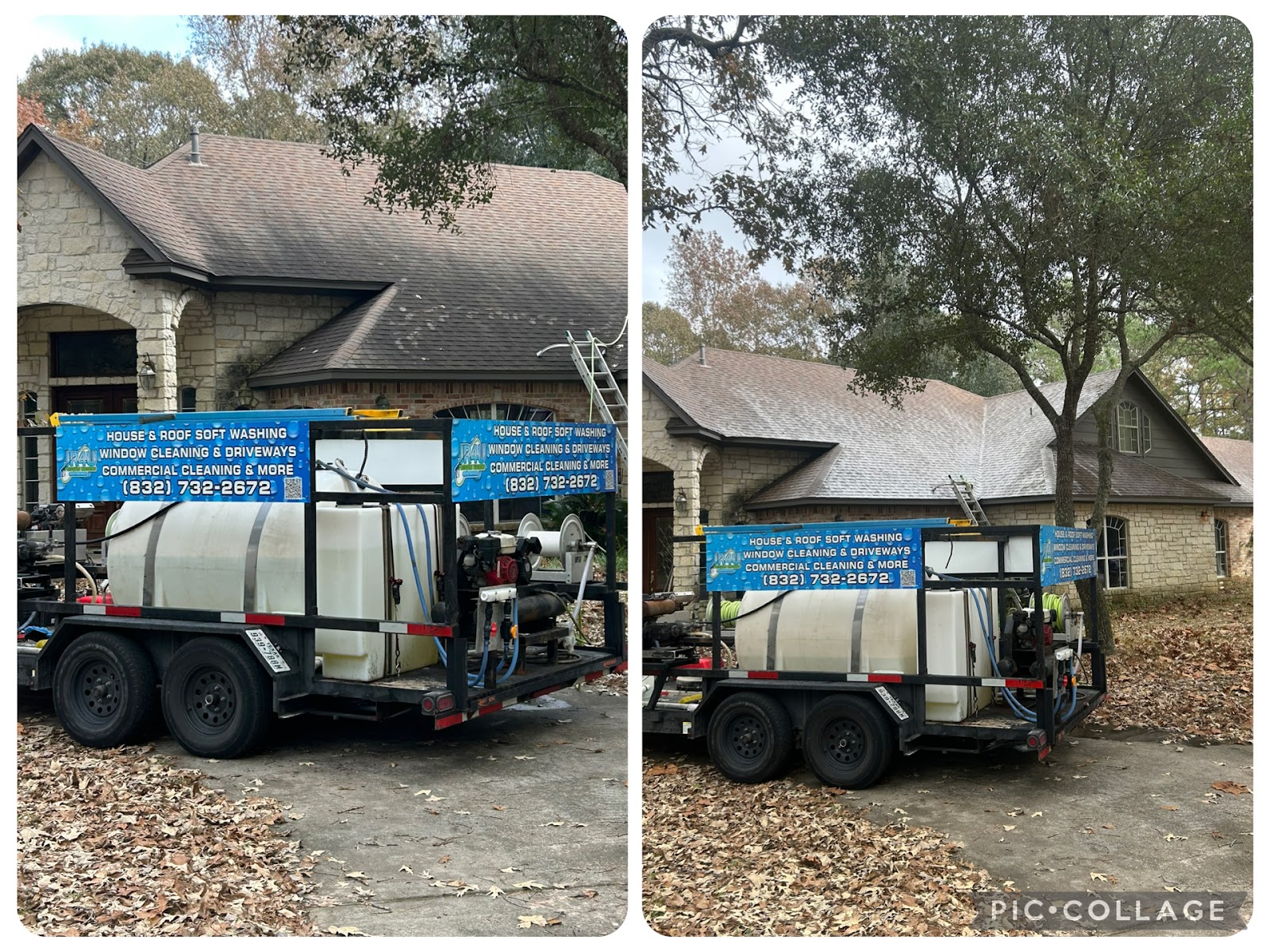
When you do decide to clean, hire someone who understands the difference between cleaning concrete and asphalt. Wrong pressure settings or techniques can damage both surfaces. JR4U Pressure Washing has been working on Spring driveways long enough to know what works here and what doesn't. We'll assess your driveway, tell you what you actually need, and get it done right.
Call JR4U Pressure Washing to schedule a driveway evaluation. We'll help you figure out the right cleaning schedule for your specific situation.