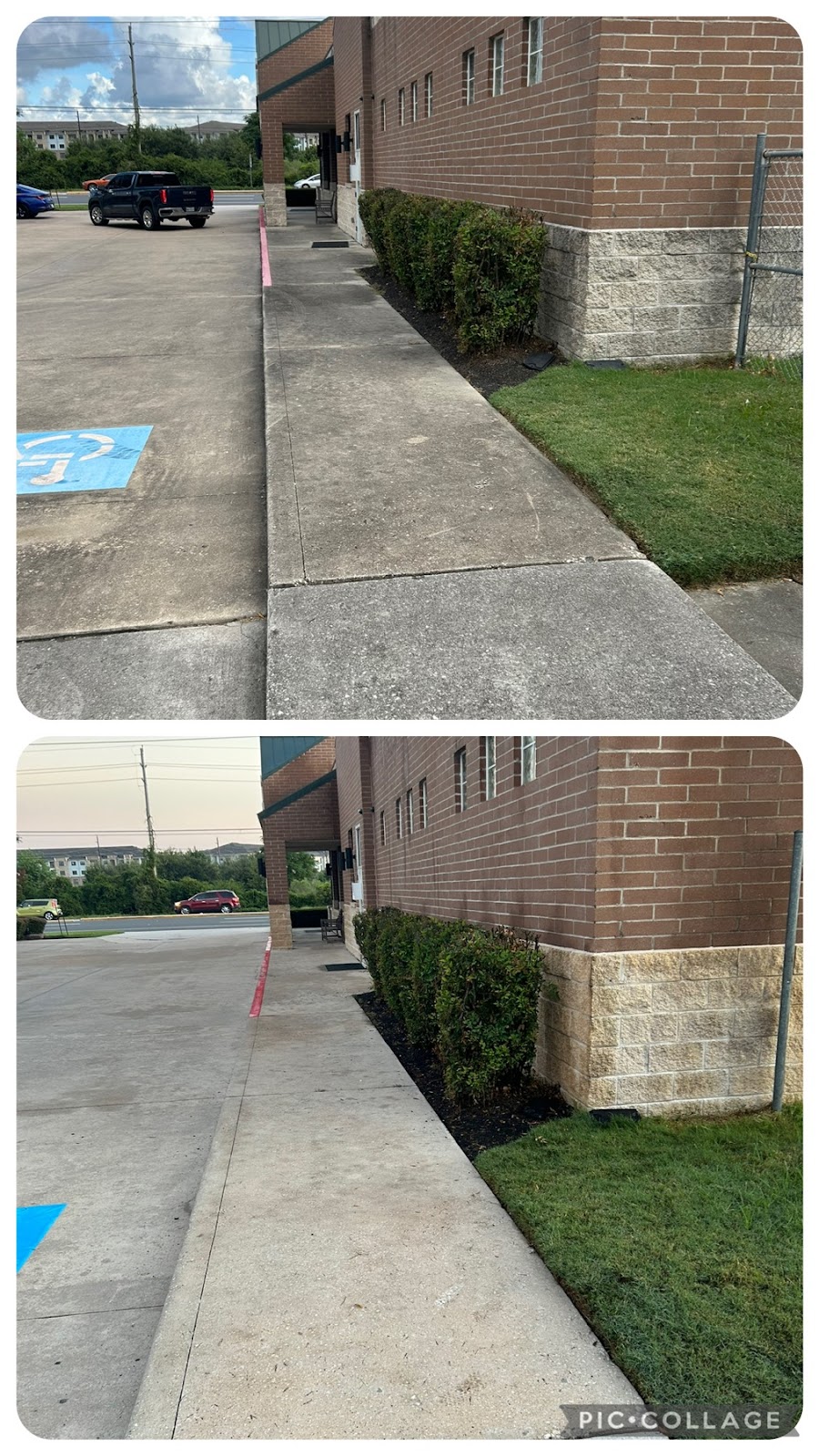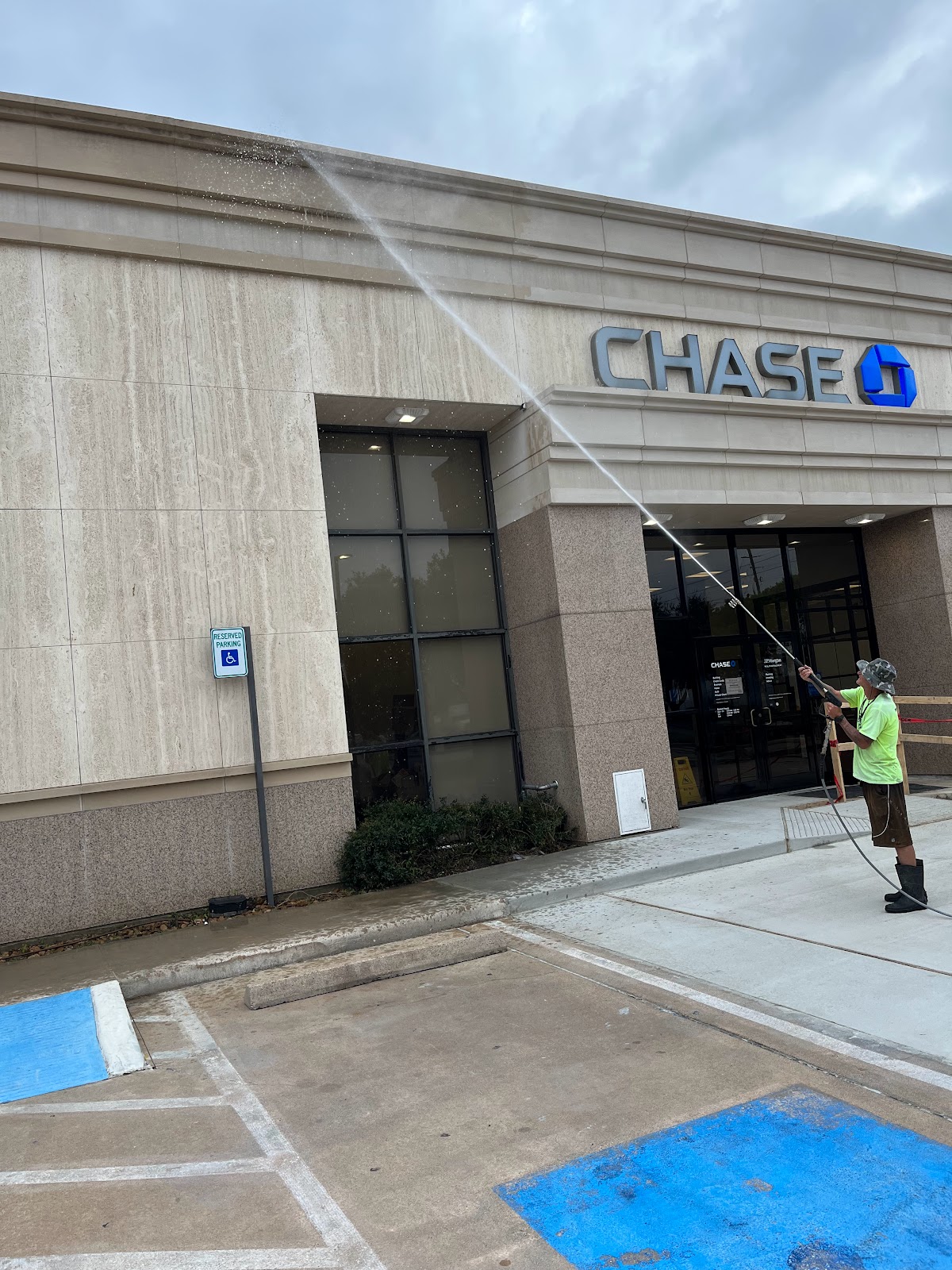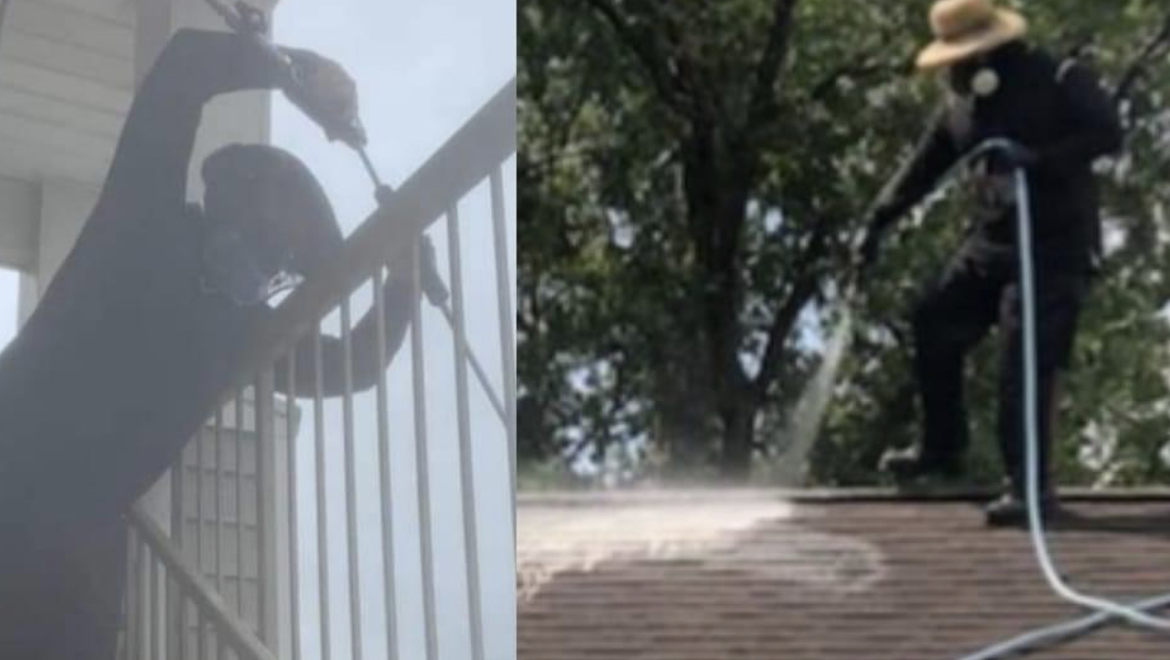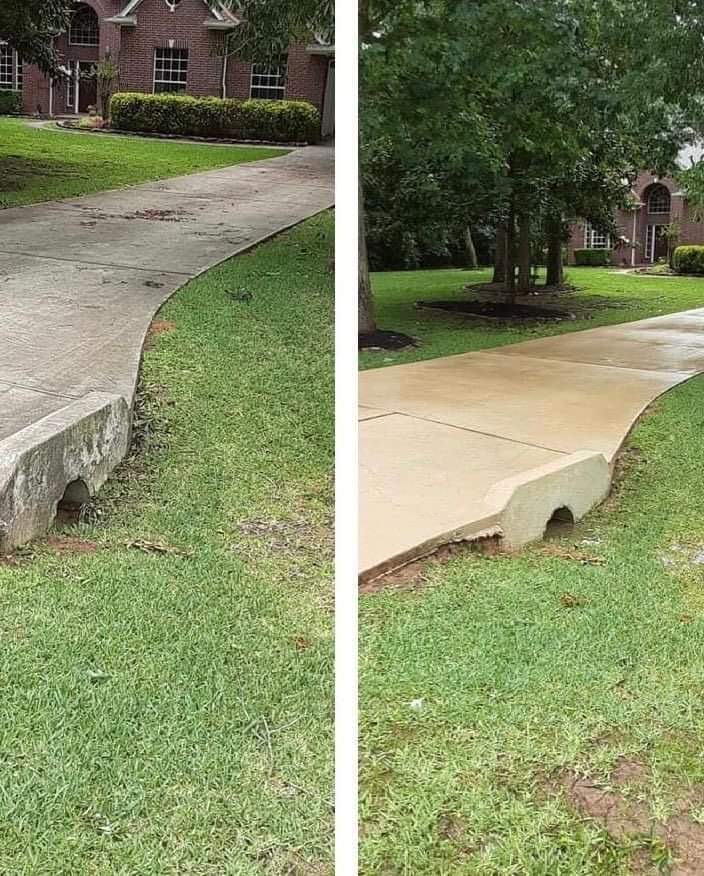
When you live in Spring, Texas, the weather swings between humid summers and mild winters, and that cycle is exactly what determines when pressure washing actually makes sense for your house. Most homeowners wait until they see visible dirt or mold, but the smarter move is to think about what the season is doing to your exterior. A spring cleaning in March or April catches the winter grime before the heat sets in. Late fall, around October or November, is another sweet spot because you're removing the buildup from summer before the cooler months lock moisture against your siding. Waiting too long means you're fighting algae that's had months to root itself in, and that takes more pressure and more cleaning solution to get right.
Spring and Early Summer Are Peak Pressure Washing Season
March through May is when most homeowners in Spring should schedule their first wash of the year. Winter in our area is mild, but it's still wet. That moisture, combined with shade from trees and gutters, creates the perfect environment for mold, mildew, and algae to grow on your roof, siding, and driveway. By late March, you can see the dark streaks and discoloration that built up over the quiet months. A pressure wash at this point removes that before it stains permanently into the surface. You also want to get it done before the pollen season really kicks in, because pollen will just coat everything again within weeks.
The other advantage of spring washing is that you're preparing your home for the brutal Texas summer. Your AC unit's condenser coil is more efficient when it's clean. Your driveway and walkways are safer when algae and moss aren't making them slick. And your gutters, downspouts, and foundation are in better shape when you've flushed out the winter debris. If you have a pool deck or any outdoor living space, spring is the time to get it looking good again before you're actually using it regularly.
Why Fall Cleaning Matters in Texas
October and November might not sound like obvious pressure washing months, but they are critical in Spring. Summer is relentless on your home. The heat, the humidity, and the rain all work together to accelerate mold and algae growth. By early fall, your roof is probably covered in dark streaks, your siding has green patches, and your concrete is slick with algae. A pressure wash in late October does several things. It removes all that biological growth before it gets baked on by months of weather. It also prepares your home for winter, so moisture isn't trapped against your siding or roof. And it's honestly more comfortable to work outside when the temperature is 70 degrees instead of 95.
Fall is also when you should clean your gutters and downspouts thoroughly. Leaves and debris fall into them, but underneath that is often a layer of mold and algae that needs to be pressure washed out. If you skip this, water backs up, seeps into your fascia, and causes rot that gets expensive fast.
Summer Pressure Washing Requires Caution
June through August is hot, and pressure washing in that heat is possible but tricky. The main issue is that water dries too fast on hot surfaces, which can leave streaks and mineral deposits. If you do wash in summer, you want to do it early in the morning before the sun gets high, and you want to use the right cleaning solutions to prevent spotting. Summer is also when your home is most likely to have active mold and algae, so the cleaning solution needs time to work. Heat can actually make that harder because the solution dries before it kills what you're trying to remove.
That said, if you have a major event coming up or you just can't wait, summer washing is doable. Just go with a professional who knows how to handle the conditions. Trying to DIY pressure wash in July heat often leads to damage or a job that looks worse than when you started.
Winter Washing Is Generally Not Recommended
December through February in Spring is generally the worst time to pressure wash. Our winter temperatures are mild compared to northern states, but they're still cool enough that water takes a long time to dry. Wet surfaces in cool weather invite mold and mildew to come right back. You also risk water getting into crevices and freezing on cold nights, which can cause damage. If you must wash in winter, pick a warm, sunny day and give surfaces plenty of time to dry before temperatures drop again.
Plan Around Your Local Weather Patterns
Spring, Texas gets significant rain year-round, but we get the most in spring and early summer. If you schedule a pressure wash right before a week of rain, you're wasting money because you're just restarting the mold growth cycle. Try to schedule for a few days after rain, when the weather is clearing. Check the forecast before you book. Also, remember that our humidity is high no matter the season, so whatever time you choose, make sure you're getting the job done before moisture has time to settle back in.
The bottom line is that spring and fall are your best windows for pressure washing in Spring, Texas. Spring cleans before summer heat and activity take over. Fall cleaning protects your home before winter and removes the buildup from months of heat and humidity. If you're ready to schedule, JR4U Pressure Washing knows the Spring area and the seasonal challenges that come with it. Give us a call to book your wash at the right time for your home.