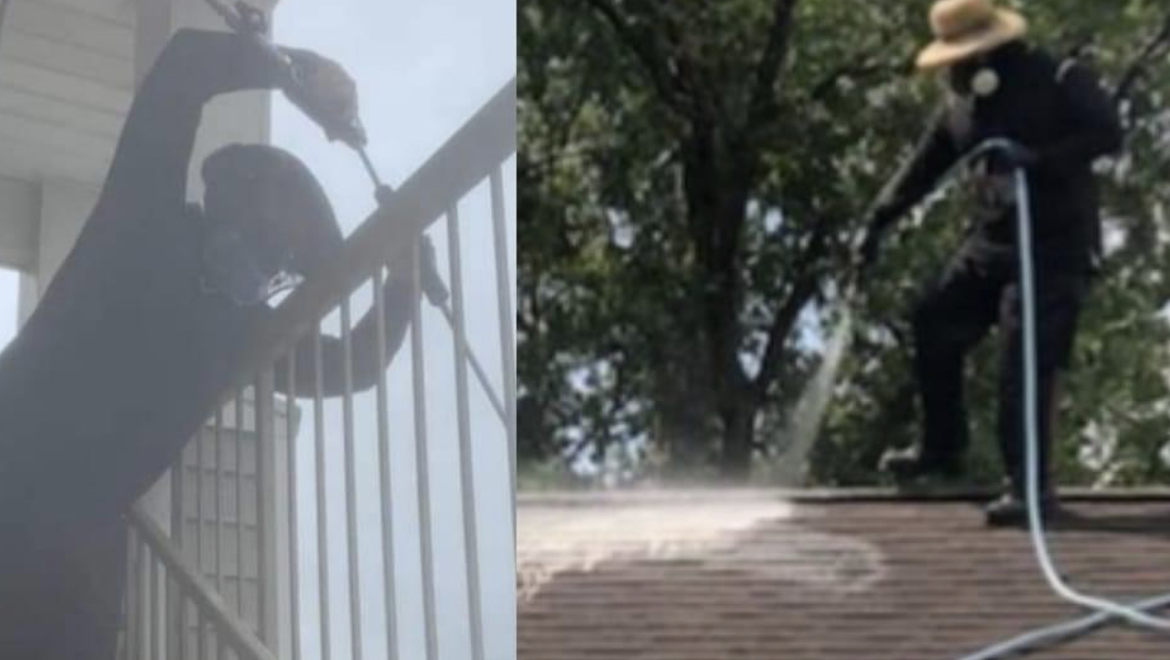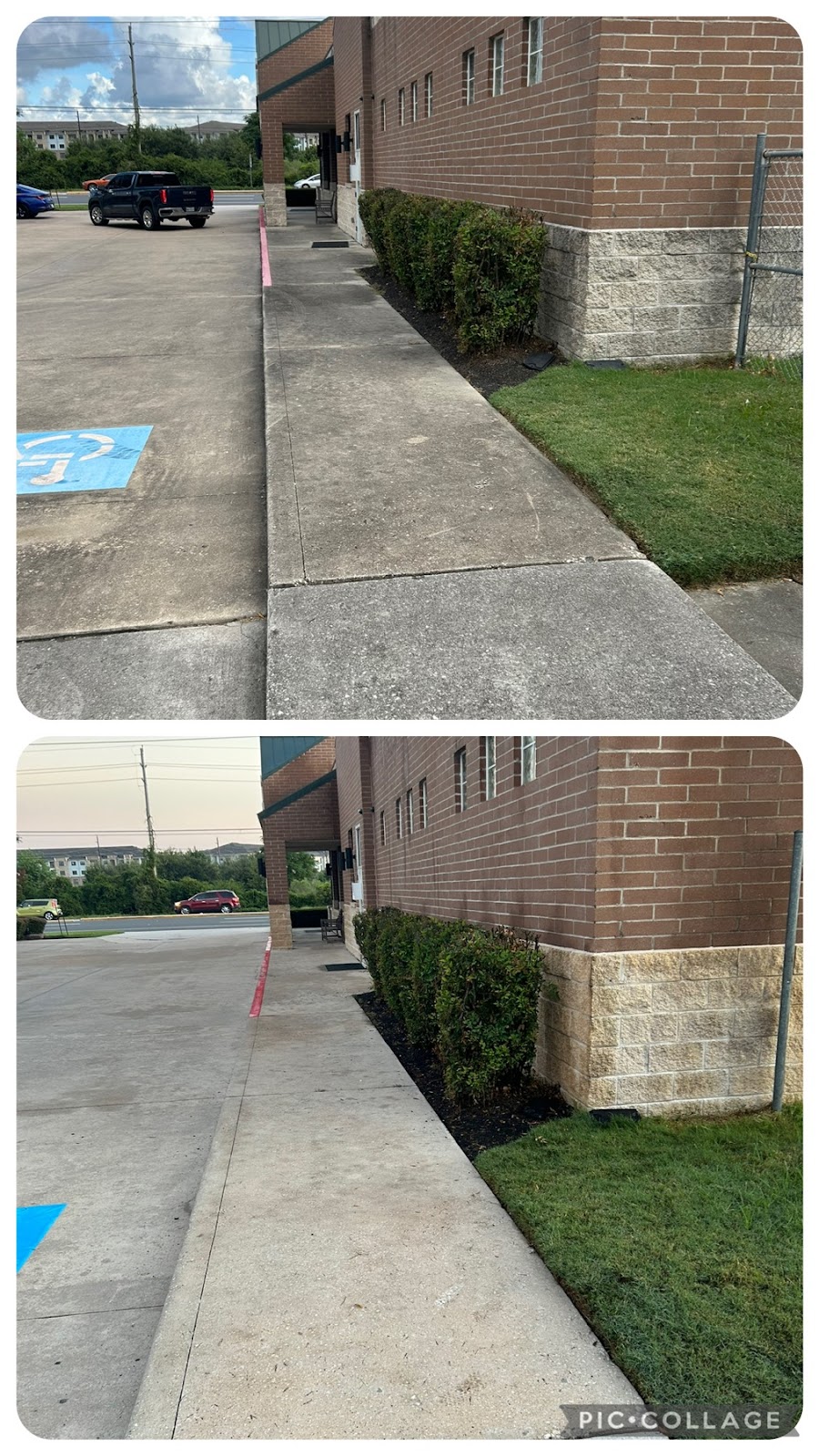
Pressure washing is fast and effective for cleaning driveways, siding, and patios, but if you're not careful around your plants and mulch beds, you can do real damage in minutes. The force of the water can strip bark off trees, shred plant leaves, wash away soil, and even kill delicate shrubs if you aim wrong or use the wrong pressure setting. Most homeowners in Spring don't think about this until they're staring at a bare patch where their landscaping used to be. The good news is that damage is entirely preventable if you know what you're doing and take a few basic precautions before you start spraying.
Know Your Pressure Settings
A pressure washer rated at 4000 PSI sounds powerful because it is. That kind of force can strip paint off wood siding, so imagine what it does to the leaves and stems of your plants. Most landscape plants are not built to handle direct spray above 1500 PSI. If you're cleaning near flower beds or ornamental plantings, you need to drop your pressure down significantly or switch to a lower-pressure nozzle. A 25-degree nozzle is safer around plants than a 15-degree or zero-degree nozzle. The narrower the spray angle, the more concentrated the force, and the more damage you risk. If your pressure washer has an adjustable dial, use it. There's no prize for blasting everything at maximum power.
Keep Your Distance
Distance matters as much as pressure setting. The closer you hold the nozzle to a surface, the more concentrated the force becomes. With plants, you want to be generous with distance. For soft-stemmed flowers and young shrubs, stay at least three to four feet away. For tougher plants like established shrubs or small trees, you can work a little closer, but still keep the nozzle at least two feet back. If you're cleaning a patio right next to a planting bed, angle your spray away from the plants and work at an angle that directs water away from the mulch and soil. It takes a few extra minutes, but it saves your landscaping.
Protect Vulnerable Areas Before You Start
The easiest way to prevent damage is to shield your plants before you turn on the machine. Lay plywood or plastic sheeting over delicate flower beds. You can use cardboard, landscape cloth, or even old bedsheets to create a barrier between your spray and low-growing plants. For trees and shrubs you can't easily cover, wrap burlap around the trunk and lower branches. This is not overkill. It's the standard practice in the pressure washing industry when you're working near a customer's landscaping. Mulch can be washed away or scattered by pressure washing, so if you're cleaning near a mulch bed, consider removing the top layer of mulch temporarily or covering it. You can rake it back in place afterward.
Watch Your Angle and Technique
The angle of your spray changes everything. Spraying downward onto a plant is worse than spraying at a low angle. If you're cleaning a driveway next to a flower bed, keep your spray directed down and away from the plants. Never spray upward into tree branches or shrubs. Work in smooth, controlled motions rather than holding the nozzle in one spot. Holding steady pressure on one area for too long concentrates the force and increases damage risk. Move the nozzle steadily across the surface, just like you would with a regular garden hose on a high setting. Slow, deliberate movements give you better control and better results anyway.
Choose the Right Time of Year
Timing matters, especially in Spring's climate. Pressure washing in extreme heat or during a drought puts additional stress on plants that are already struggling with water availability. If you're planning to pressure wash near landscaping, do it in spring or fall when plants are not in peak growth or dormancy stress. Avoid washing during the hottest part of the day. Early morning or late afternoon is better for your plants and easier on you. If you've recently planted new shrubs or trees, wait at least a year before doing any pressure washing nearby. Young plants have tender bark and shallow roots that are easily damaged.
When to Call a Professional
If your landscaping is dense, mature, or valuable, hiring a professional pressure washing company like JR4U Pressure Washing in Spring makes sense. We know how to work around established trees, shrubs, and delicate plantings without causing damage. We have experience with the right pressure settings for different surfaces and can adjust on the fly. We also have the equipment and knowledge to protect your landscape before we even start spraying. It's not always cheaper to do it yourself, especially if you end up replacing damaged plants.
Pressure washing keeps your home looking clean and well-maintained, but it has to be done thoughtfully around your landscaping. Call JR4U Pressure Washing in Spring if you want the job done right without risk to your plants.