If someone tells you that pressure washing and power washing are the same thing, they haven't worked in the cleaning business long. Most people use the terms interchangeably, but there's a real difference, and it matters for your driveway, deck, or siding. The difference comes down to temperature. Power washing heats the water before it sprays out. Pressure washing uses cold water at high PSI. That one detail changes what you can clean, how fast you can clean it, and whether you risk damaging the surface underneath. Here in Spring, where we deal with Texas heat, humidity, and everything that grows because of it, knowing which method to use can save you money and keep your property looking right.
Cold Water Pressure Washing Works for Most Jobs
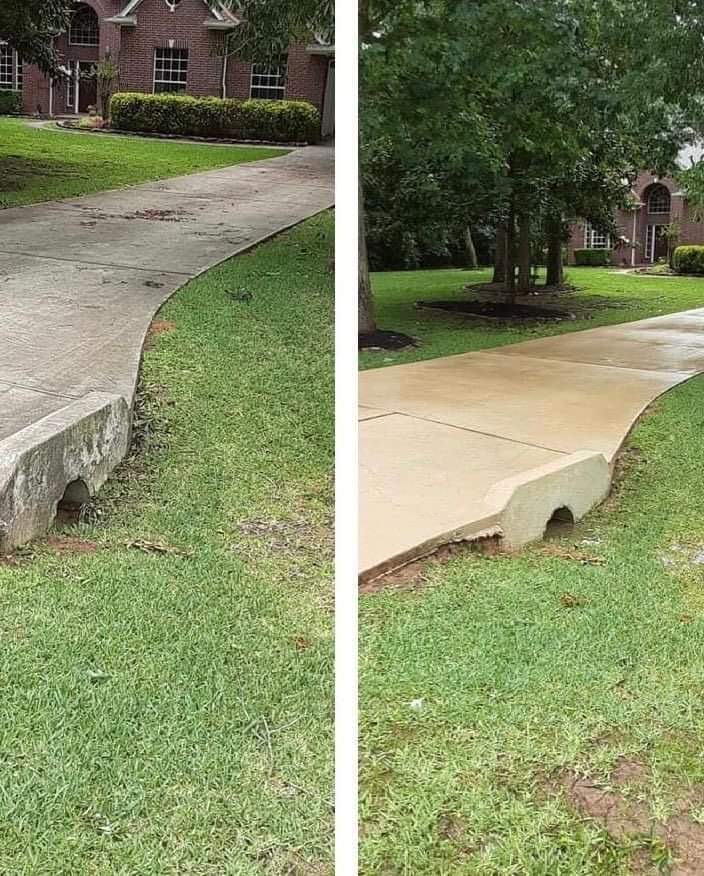
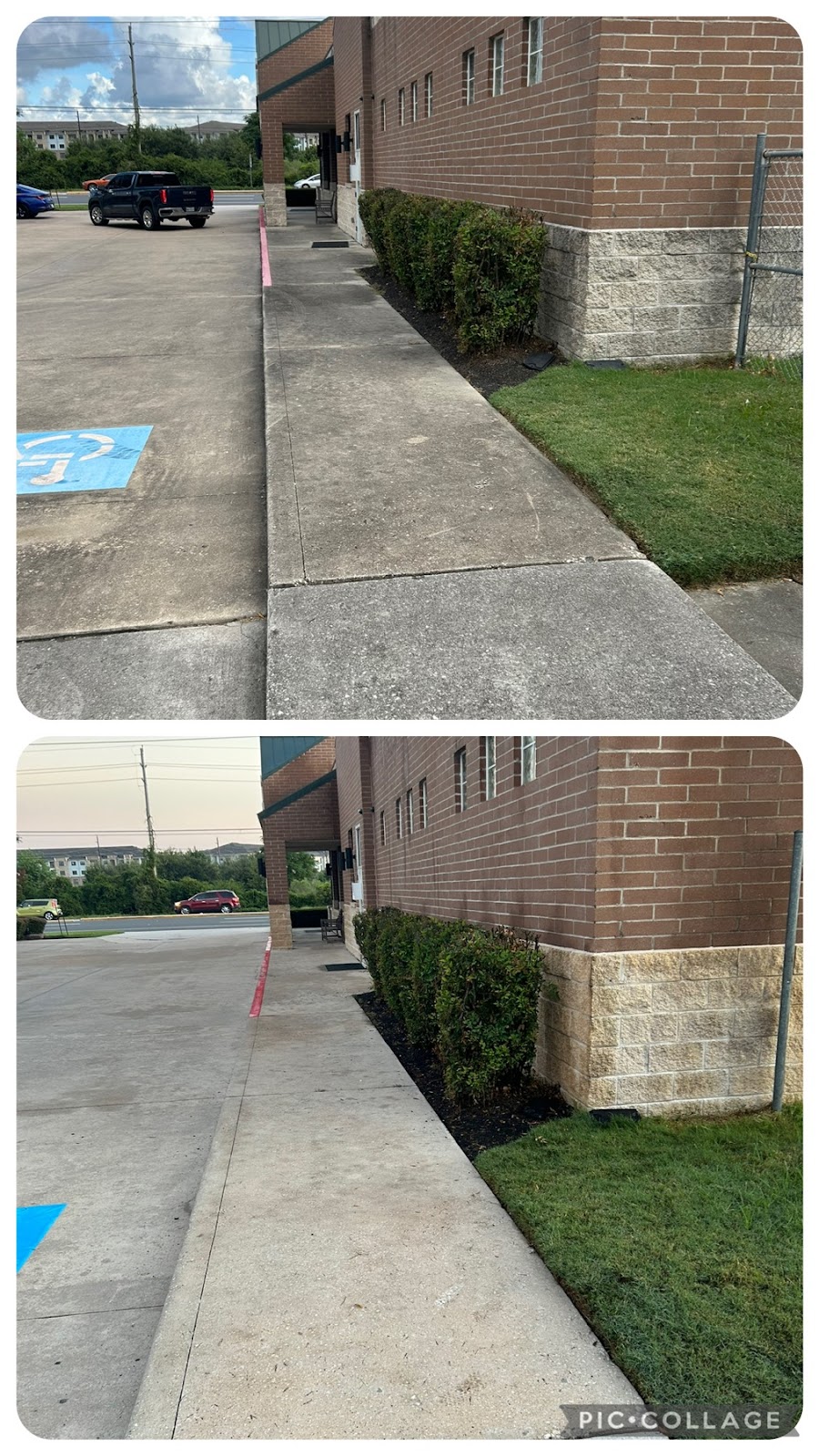
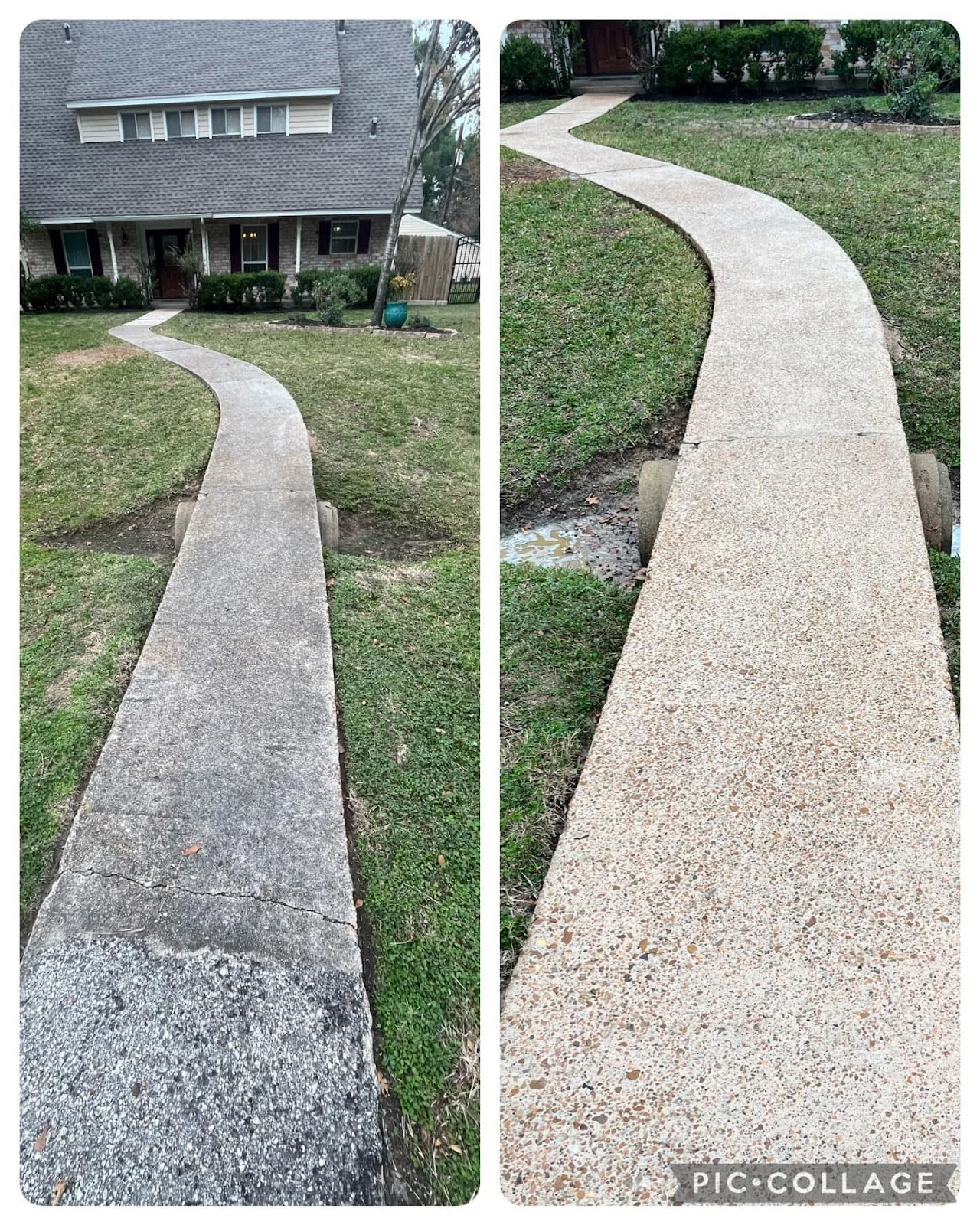
Pressure washing with cold water is what most homeowners need most of the time. We're talking about a machine that pushes water out at 1500 to 4000 PSI, depending on the job. That force alone removes dirt, algae, mold, and loose debris from driveways, patios, and fencing. Cold water pressure washing is faster and cheaper to operate because there's no heating involved. For the grime that builds up on your concrete driveway here in Spring, or the green slime that grows on your fence in our humidity, cold water does the job. The PSI does the work, not the temperature.
Hot Water Power Washing Cuts Through Grease and Buildup
Now power washing, the hot water version, is what you need when cold water won't cut it. Oil stains on a driveway. Grease on a commercial kitchen exterior. Heavy buildup on equipment or machinery. Heat breaks down those substances faster. A power washer heats water to 200 to 300 degrees Fahrenheit before it sprays. That combination of heat and pressure handles stubborn stains that would take forever with cold water alone, or might not come off at all. The downside is that power washing costs more to run and takes longer to set up. You're paying for the fuel to heat the water and the equipment to maintain that temperature.
Surface Damage Risk Depends on Which Method You Choose
This is where the choice really matters. Cold water pressure washing can still damage surfaces if you don't know what you're doing. Blast the wrong material at the wrong pressure and you'll gouge wood, peel paint, or force water into cracks where it causes problems later. Power washing adds another layer of risk because the heat can damage some materials. Vinyl siding, for instance, can warp if you hit it with hot water at high pressure. Wood decks can splinter or age prematurely. Asphalt can soften under extreme heat. The pressure washer operator has to know which surfaces need what. That's not just a technical skill. It's the difference between cleaning something and ruining it.
Spring's Climate Makes Algae and Mold a Year-Round Problem
Spring sits in a humid subtropical zone. That means moisture, warmth, and shade create perfect conditions for algae, mold, and mildew to grow on almost any surface. Your concrete, brick, wood, and roof shingles all get coated with these organisms. Cold water pressure washing at the right PSI removes them effectively. The issue is that algae comes back faster in our climate than it does in drier parts of Texas. Many homeowners find that regular pressure washing every 12 to 18 months keeps things looking clean. Waiting longer just means the growth gets darker and harder to remove, sometimes requiring hot water or chemical treatments to get ahead of it.
When to Call a Professional Instead of Renting Equipment
You can rent a pressure washer from most hardware stores in Spring for around 60 to 80 dollars a day. That math looks good until you factor in your time, the learning curve, and the risk of damaging your own property. A professional knows the PSI ranges for different materials. Knows how to angle the spray to avoid damage. Knows which surfaces need cold water and which need heat. Knows how to handle the equipment safely. Most homeowners hurt themselves or their property within the first hour of pressure washing on their own. Beyond that, a professional has commercial-grade equipment that works faster and cleaner than rental machines. For a driveway or patio, a rental might make sense if you're careful. For your house siding, roof, or anything with delicate surfaces, hiring someone who knows the difference between pressure and power washing is worth the cost.
The Real Question Is What Needs Cleaning
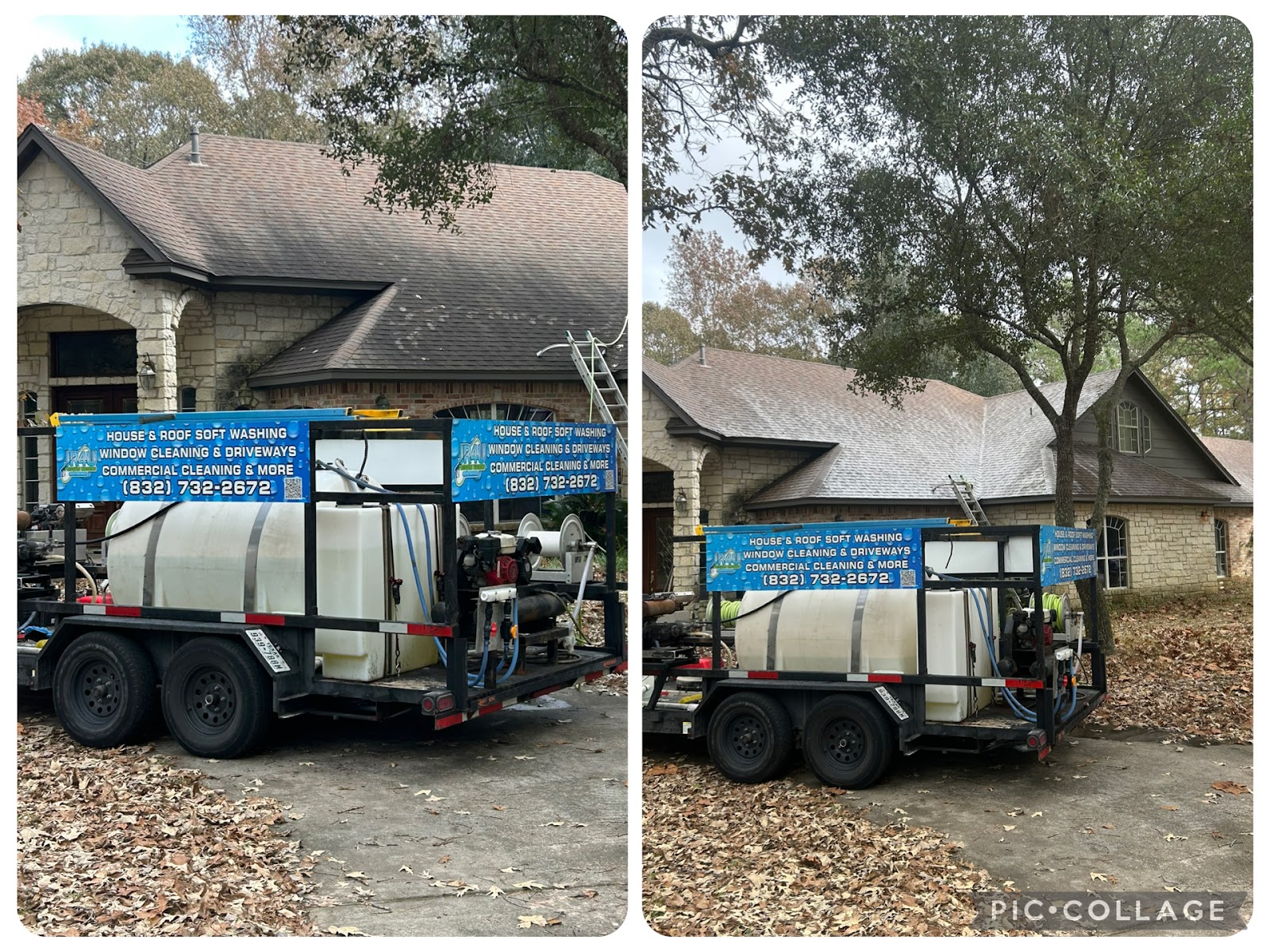
Before you decide between pressure washing and power washing, figure out what you're actually cleaning. Is it surface dirt and algae, or is it grease and oil buildup. Is it wood, concrete, vinyl, or brick. How old is the buildup. How much time do you have. Cold water pressure washing handles most exterior cleaning jobs in Spring quickly and safely. Power washing is specialized work for specific problems. JR4U Pressure Washing serves Spring and the surrounding area with both methods. We can walk you through what your property needs and get it done without guessing. Give us a call and we'll assess what you're dealing with.