Most homeowners in Spring, Texas don't realize that a pressure wash is a cleaning event, not a permanent fix. You can blast away mold, algae, and dirt from your driveway or siding, but those spores and growth will eventually come back. The question isn't whether mold returns. It's when, and how to slow it down.
The Typical Timeline in Spring's Humid Climate
In Spring, you're dealing with subtropical humidity and frequent rain. That's perfect breeding ground for mold and algae. After a professional pressure wash, you can expect a clean surface to stay relatively clean for about 6 to 12 months before mold becomes visible again. Some homeowners see regrowth in as little as 3 to 4 months. Others stretch it to 18 months. The difference comes down to where the surface is, how much shade it gets, and what kind of material you're cleaning.
Shaded areas tend to hold moisture longer. If you have a north-facing wall or a driveway under a big oak tree, mold will return faster there than on a sunny south-facing side of the house. That's just the nature of the Houston area. Concrete is also more porous than sealed surfaces, so it holds onto moisture and gives mold more places to dig in.
Why Pressure Washing Alone Isn't Enough
Pressure washing removes the visible growth and the surface layer of spores. But mold spores are everywhere in the air in Spring. They land on your wet or damp surfaces constantly, especially during our rainy season from May through October. A clean surface is like an empty house in a neighborhood where new families keep moving in.
The real issue is moisture. If your surface stays wet or damp for long periods, mold will grow back fast. Gutters that don't drain properly, downspouts that dump water at your foundation, or poor drainage around your driveway all make the problem worse. Pressure washing removes the mold you can see, but if the moisture problem stays, the mold problem stays too.
Sealers and Treatments That Actually Help
Some pressure washing companies offer a sealant or algaecide treatment after cleaning. These products can help extend the clean look, but they're not magic. A good sealer on concrete or wood can buy you an extra 6 months or more before mold gets thick enough to see. On vinyl siding, a softwash treatment with algaecide can slow regrowth for several months.
The catch is that these treatments wear off. Sealers get broken down by UV rays and weather. Algaecide treatments fade as rain washes them away. If you use them, expect to reapply every 12 to 18 months for best results. It's an extra cost, but for surfaces that are always in shade or that drain poorly, it's worth considering.
The Real Prevention Strategy
The fastest way to slow mold's return is to fix the moisture problem. Make sure your gutters are clean and flowing water away from your house. Check that downspouts extend at least 4 to 6 feet from your foundation. If you have low spots in your yard where water pools, fill them in or improve drainage there. These changes cost money, but they help every part of your home, not just the surface you just cleaned.
Trim tree branches that hang over your roof or create dense shade on your siding. More sunlight means faster drying after rain. In Spring, where we get 50 inches of rain a year, improving drainage and airflow is one of the most effective things you can do.
When to Schedule Your Next Wash
For most Spring homeowners, a pressure wash every 12 months keeps the house looking good. If you have heavy shade, poor drainage, or a surface that gets a lot of foot traffic, you might want to schedule one every 6 to 9 months. If your house is in a sunny spot with good drainage, you might stretch it to 18 months.
Some people split the difference. They do a full wash every 18 months but do a quick spot cleaning on high-problem areas every 6 months. That keeps the most visible spots clean without the expense of a full service twice a year.
Concrete and Driveways Are Different
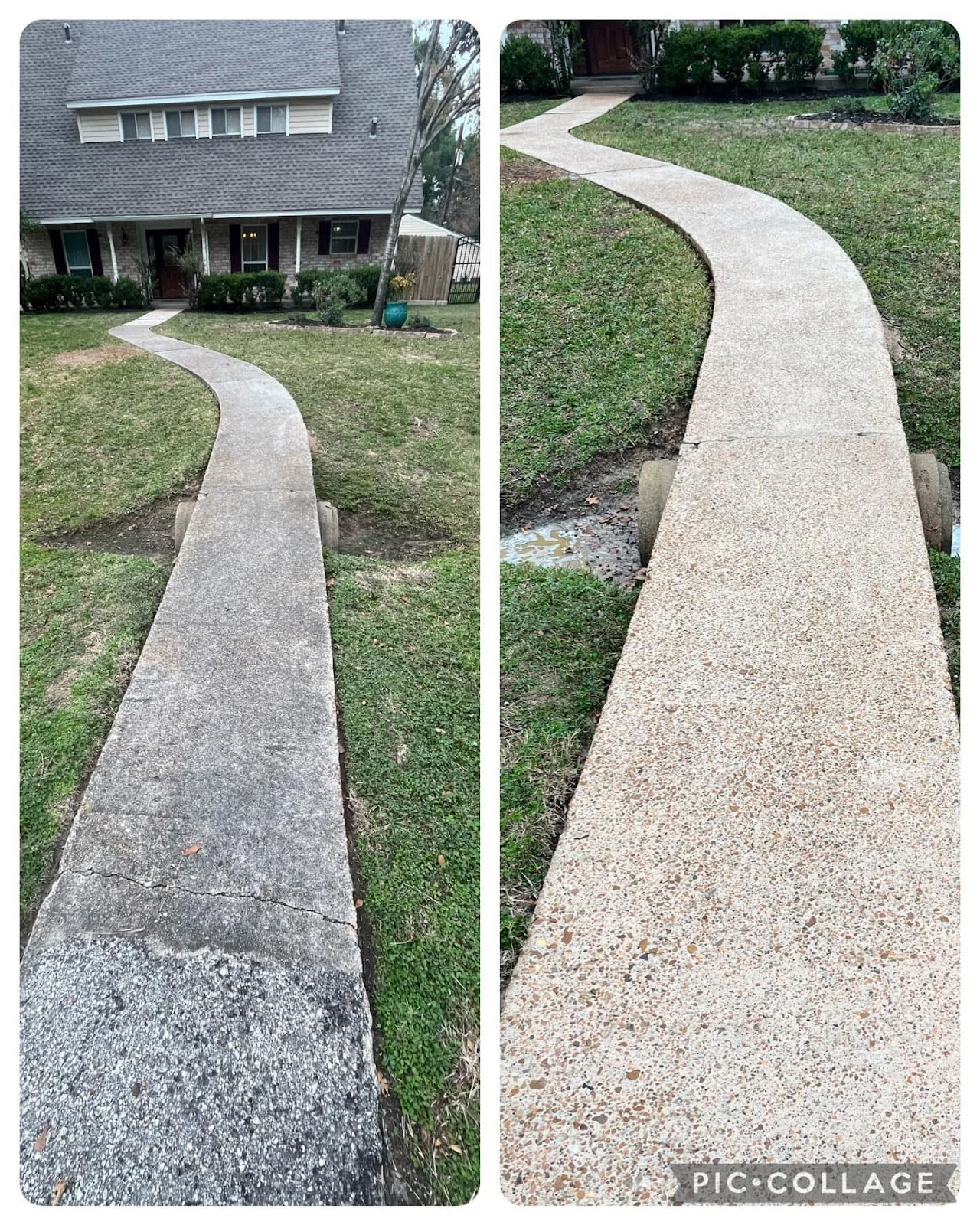
Concrete holds water longer than most other surfaces. A sealed driveway will stay cleaner longer than unsealed concrete. If you're thinking about sealing your driveway after a wash, do it right after the cleaning while the surface is completely dry. Sealer won't stick to damp concrete, and it won't help much if you apply it to a surface that's already starting to grow mold again.
Call JR4U Pressure Washing in Spring when you're ready to get your house clean and want honest talk about what comes next. We'll clean what you've got and tell you straight about what will help it stay that way.